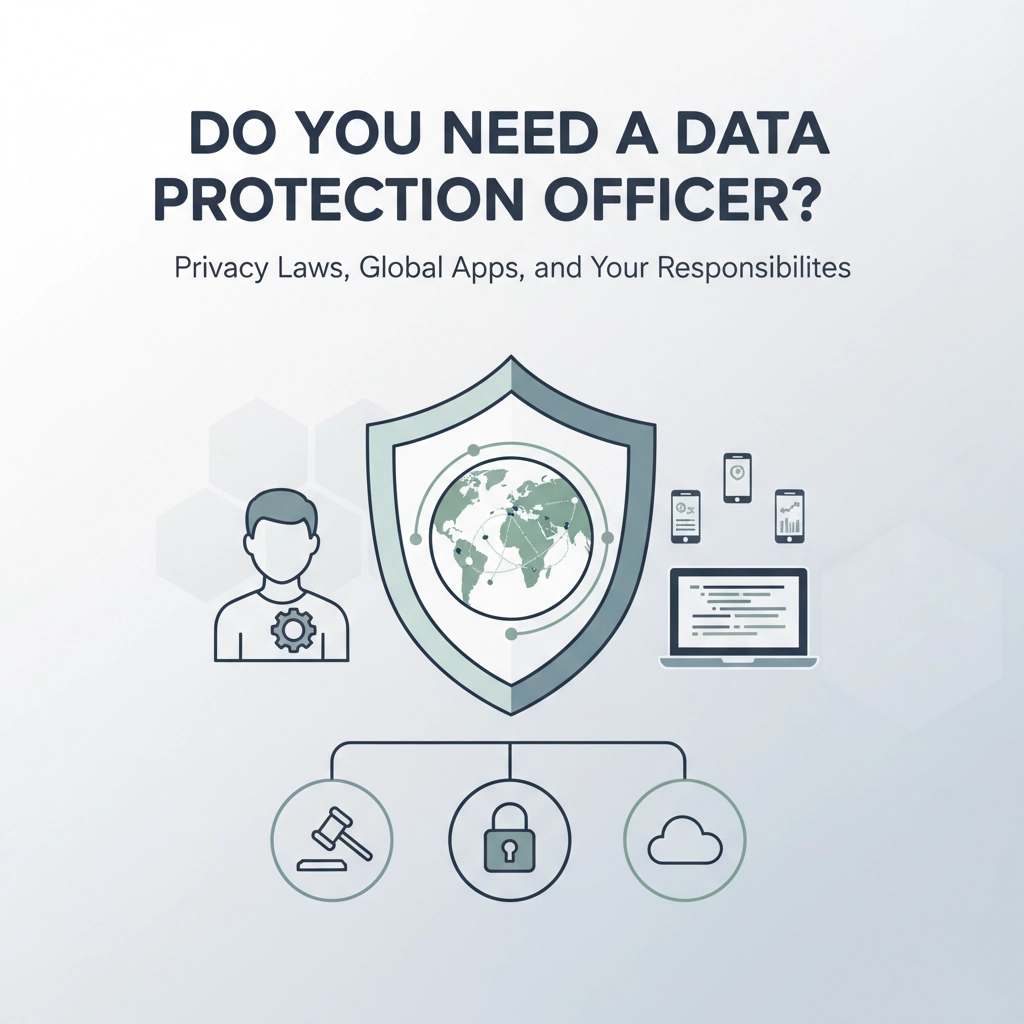
Do You Need a Data Protection Officer? Privacy Laws, Global Apps, and Your Responsibilities
Your app isn’t just “live”—it’s global, which means GDPR, CCPA, LGPD, and PIPEDA may already apply. This article explains what a Data Protection Officer does, when one is legally required (large-scale processing, sensitive data, or systematic monitoring), and why fines and legal drag can sink a startup faster than growth can save it. You’ll learn the practical path: privacy audits, DPIAs, consent and deletion workflows, breach response within 72 hours, and how a fractional DPO gives you 90% of the value of a full-time role at a fraction of the cost.
You just launched your app. It's getting decent traction, maybe a few thousand users across different countries. Then you get an email from someone in Germany asking about their data rights under GDPR. Your stomach drops.
"Wait, do I need to comply with European privacy laws? I'm just a small startup in Ohio!"
Welcome to the wild world of global privacy compliance, where your "simple" app suddenly needs to navigate a maze of international data protection laws. And spoiler alert: ignorance isn't a defense when regulators come knocking.
What the Hell is a Data Protection Officer Anyway?
A Data Protection Officer (DPO) is basically your privacy superhero. They're the person who makes sure you're not accidentally breaking data protection laws that could cost you millions in fines.
Think of them as your privacy translator. While you're focused on building features and growing users, they're making sure you're not collecting email addresses in ways that'll get you in trouble with European regulators or California's privacy cops.
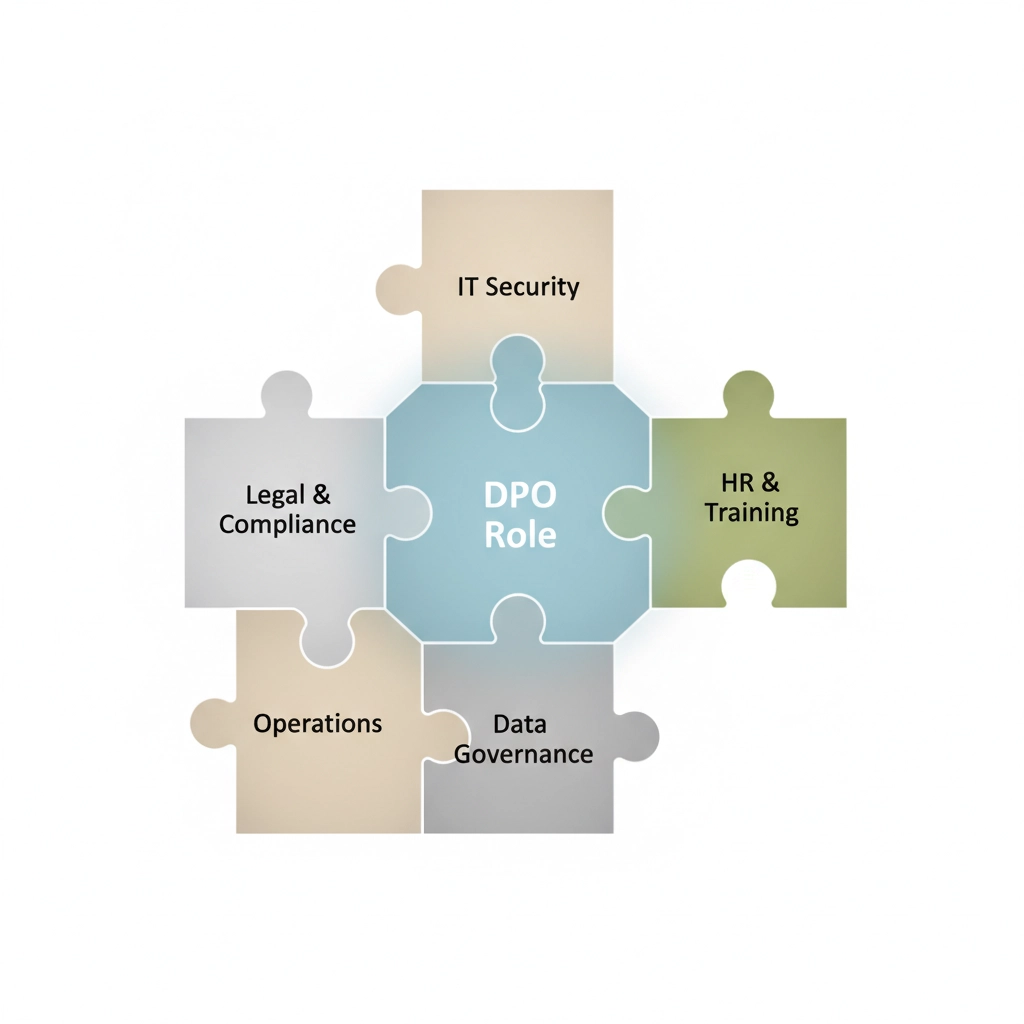
The DPO handles the boring-but-critical stuff: monitoring compliance with privacy laws, working with your team to develop policies that won't make lawyers cry, conducting privacy impact assessments, and being your main contact with data protection authorities when they come asking questions.
Here's what I love about this role: it's both deeply technical and surprisingly strategic. A good DPO doesn't just check compliance boxes; they help you build trust with users and avoid the kind of privacy disasters that can kill a startup overnight.
When You Legally Need a DPO (Spoiler: Probably Sooner Than You Think)
Under GDPR: that European privacy law everyone pretends to understand: you're required to have a DPO if you:
- Process personal data on a large scale
- Process sensitive personal data on a large scale
- Regularly and systematically monitor individuals on a large scale
"But I'm a small startup!" you might say. Here's the thing: GDPR doesn't care about your company size. It cares about what you're doing with people's data.
If your app tracks user behavior, collects location data, or processes health information: even for just a few hundred users: you might already be in "large scale" territory. And if you're doing any kind of behavioral analytics or personalization, you're definitely in the "systematic monitoring" category.
The penalties are no joke: up to 4% of your global revenue or €20 million, whichever is higher. For a bootstrapped startup, that's basically a death sentence.
Global Apps = Global Headaches
Here's where things get really fun. If your app has users in multiple countries, you're potentially subject to privacy laws in each of those places. GDPR applies to any company processing EU citizens' data: even if your servers are in Kansas and you've never set foot in Europe.
California has the CCPA (California Consumer Privacy Act), which has its own DPO-like requirements. Brazil has LGPD. Canada has PIPEDA. Each comes with its own rules, requirements, and potential fines.

I've seen too many indie developers get blindsided by this. You think you're just making a simple productivity app, but then you realize you're subject to privacy laws in a dozen different jurisdictions because users downloaded your app worldwide.
The complexity compounds fast. What's legal data collection in one country might require explicit consent in another. Your innocent "sign up with Google" flow might need completely different privacy notices for European vs. American users.
The Real Cost of Getting Privacy Wrong
Let me paint you a picture. A friend of mine ran a small SaaS company. Nothing fancy: just a project management tool with maybe 2,000 users. They got a GDPR complaint from one user in Germany.
The investigation revealed they were storing user data longer than necessary, didn't have proper data deletion processes, and their privacy policy was basically legal nonsense copied from another website.
The fine? €50,000. Not huge by corporate standards, but enough to nearly kill a bootstrapped startup. The legal fees and time spent dealing with regulators cost them another €30,000 and six months of lost development time.
That's the thing about privacy compliance: the direct fines are scary, but the opportunity cost and legal complexity can be what actually kills you.
Why Fractional DPOs Make Perfect Sense for Startups
Here's my controversial take: most startups don't need a full-time DPO. What you need is someone who understands privacy law, can audit your current setup, build compliant processes, and be available when shit hits the fan.
A full-time DPO might cost you $120,000+ per year. For most early-stage companies, that's a significant chunk of your runway. But a fractional DPO: someone who works with multiple companies part-time: can give you 90% of the value for a fraction of the cost.
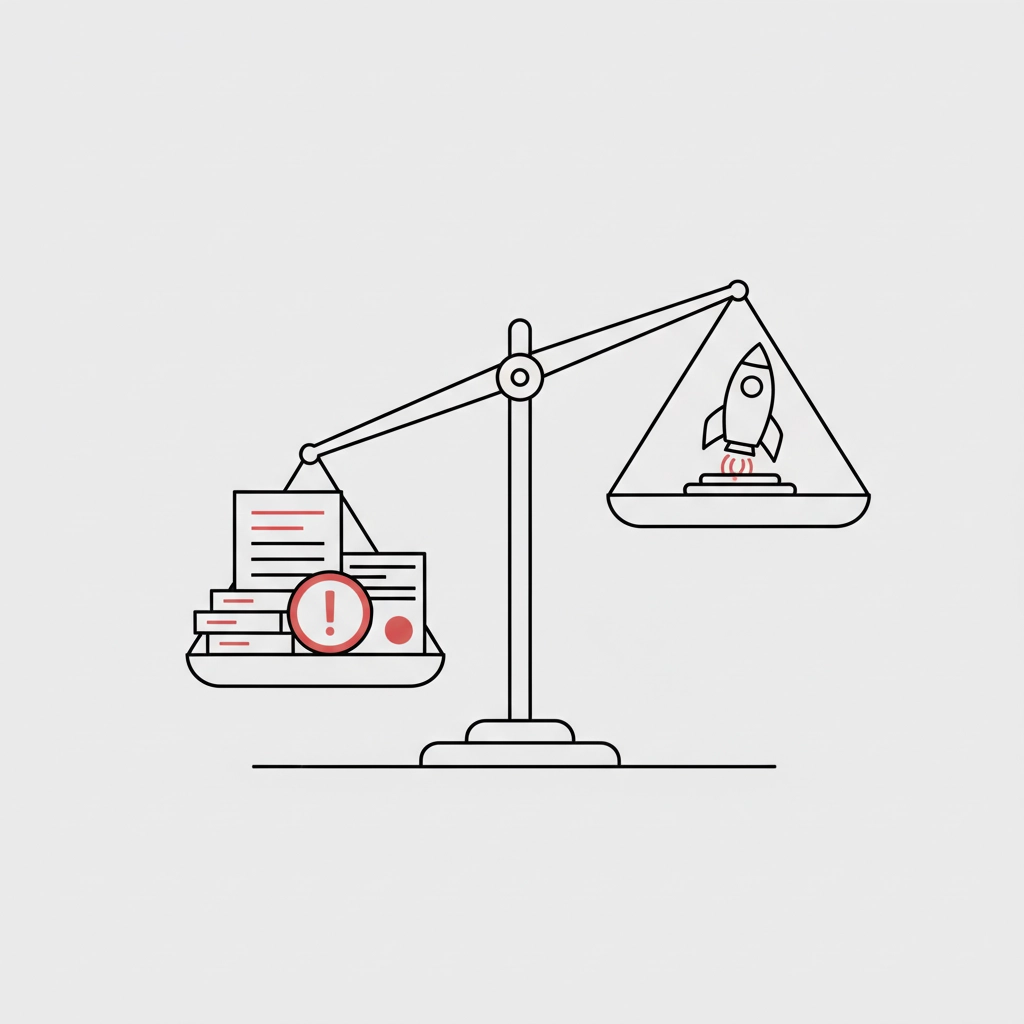
The fractional approach works especially well for privacy compliance because a lot of the work is front-loaded. You need someone to:
- Audit your current data practices
- Build compliant privacy policies and processes
- Train your team on privacy best practices
- Set up systems for handling user data requests
Once those systems are in place, you mainly need ongoing monitoring and updates when laws change or you add new features.
Enter Odditory's Fractional DPO Service
This is exactly why we built our fractional DPO offering at Odditory. We've worked with dozens of startups who were drowning in privacy complexity: brilliant founders who could build amazing products but had no idea whether their data collection practices would pass regulatory scrutiny.
Our fractional DPO service starts with a comprehensive privacy audit. We look at what data you're collecting, how you're storing it, what your privacy policies actually say (versus what they should say), and where your biggest compliance gaps are.
Then we work with your team to build systems that actually work. Not just checkbox compliance, but processes that protect your users and protect your business. We help you implement proper consent management, build data deletion workflows, and create privacy policies that won't make lawyers cringe.
The best part? We price it for startups. While other firms want to charge enterprise rates for basic privacy compliance, we believe good privacy protection should be accessible to indie developers and early-stage companies.
Building Privacy Into Your Product (Not Onto It)
Here's what I've learned working with hundreds of startups: privacy compliance works best when it's built into your product from the beginning, not bolted on later.
When you're designing user onboarding, think about consent flows. When you're planning analytics, consider what data you actually need versus what's easy to collect. When you're building user profiles, design for data portability and deletion from day one.
A good fractional DPO doesn't just help you check compliance boxes: they help you build products that respect user privacy by design. This isn't just good legal practice; it's increasingly good business practice as users become more privacy-conscious.
The companies that get this right build deeper trust with their users and avoid the kind of privacy disasters that can destroy a brand overnight.
Start Before You Need To
My advice? Don't wait until you get that scary email from a regulator or an angry user threatening legal action. By then, you're already playing defense.
If you're building any kind of app that collects user data: email addresses, usage analytics, location data, anything: get a privacy audit now. Understand what laws apply to your business, what your current risks are, and what you need to do to build sustainable, compliant growth.
The privacy landscape is only getting more complex. More countries are passing data protection laws, regulators are getting more aggressive about enforcement, and users are getting more sophisticated about their privacy rights.
The startups that survive and thrive are the ones that build privacy compliance into their DNA early, not the ones that try to retrofit it after they're already in trouble.
Want to know where you stand? Let's chat about getting your app privacy-ready without breaking your startup budget.